
Stream Muhammad: Legacy of a Prophet Today




Muhammad
Legacy of a Prophet
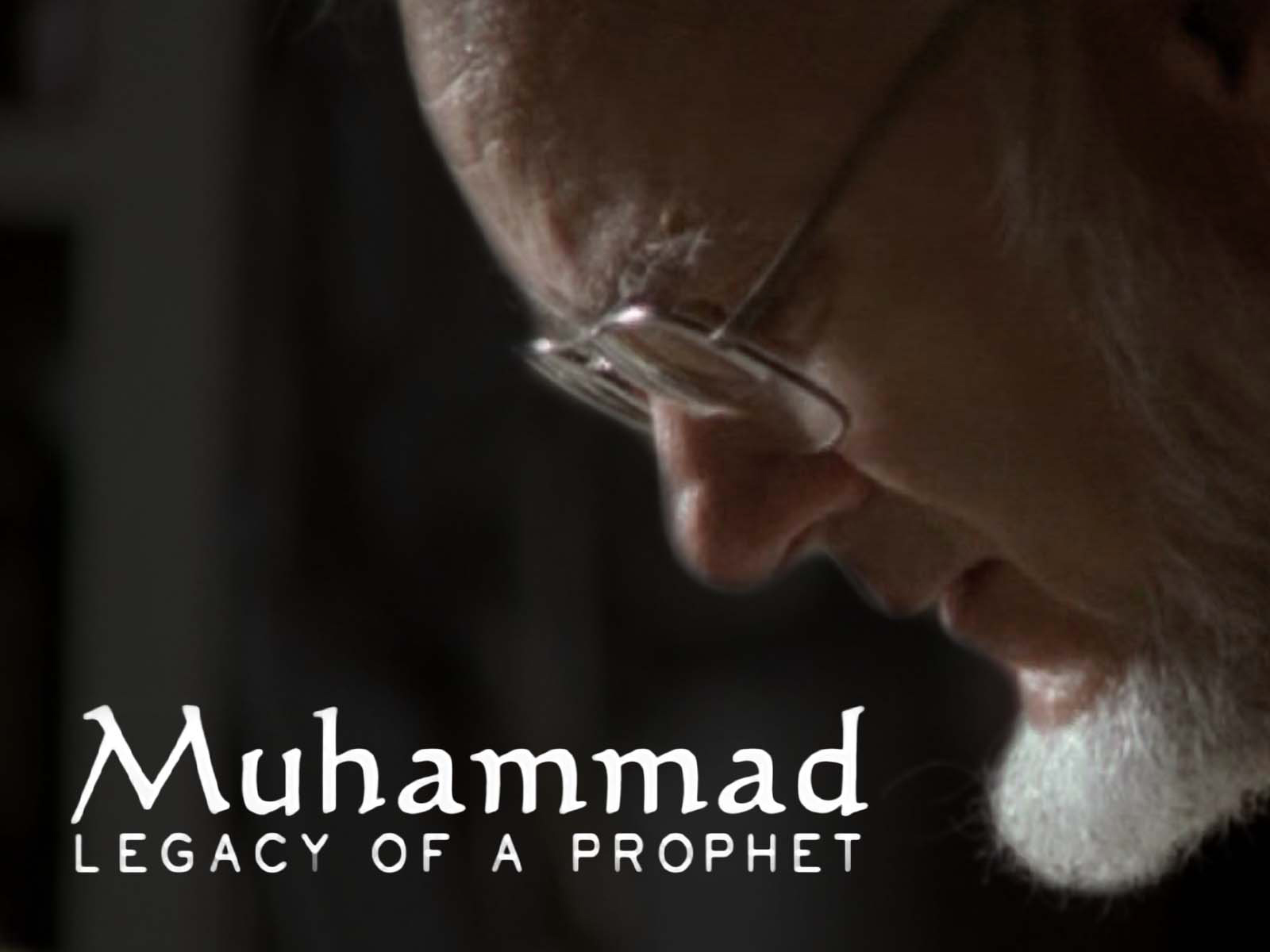
Muhammad: Legacy of a Prophet is history in the present tense, telling the fascinating story of Muhammad through the lives of contemporary American Muslims. This is the biography of a man who changed the course of history 1,400 years ago, and lives today in the United States through the Americans who consider him to be a God's prophet.
Watch the Film Trailer
What Others Say About the Film
Riveting, informative, inspiring, Muhammad: Legacy of a Prophet should be required viewing for non-Muslims. It sets the record straight about a man who has been demonized by those who know little to nothing about the substance of his life or his message.
[Muhammad: Legacy of a Prophet is] …a candid, thoughtful, flowing, visually stunning film….

The general reaction to [Muhammad: Legacy of a Prophet] was positive, there were many aspects of Islam that we were not aware.

What touched the class was the idea that great majority of American Muslims are 'ordinary folks.' We had studied the life of the Muhammad, but to see it put into daily practices of believers was outstanding.
The extensive credits of Executive Producers Alex Kronemer and Michael Wolfe span over 10 years of film making and include: Enemy of the Reich; Islamic Art: Mirror of the Invisible World; Inside Islam: What a Billion Muslims Really Think; Allah Made Me Funny; On a Wing and A Prayer: An American Muslim Learns to Fly; Talking Through Walls; Prince Among Slaves; Cities of Light: The Rise and Fall of Islamic Spain; and Muhammad: Legacy of a Prophet.
This film was produced and directed by Andrea Kalin, whose credits include Allah Made Me Funny and Talking Through Walls.

Review the Film
Stream Muhammad: Legacy of a Prophet Today